1. Choose the right size and type
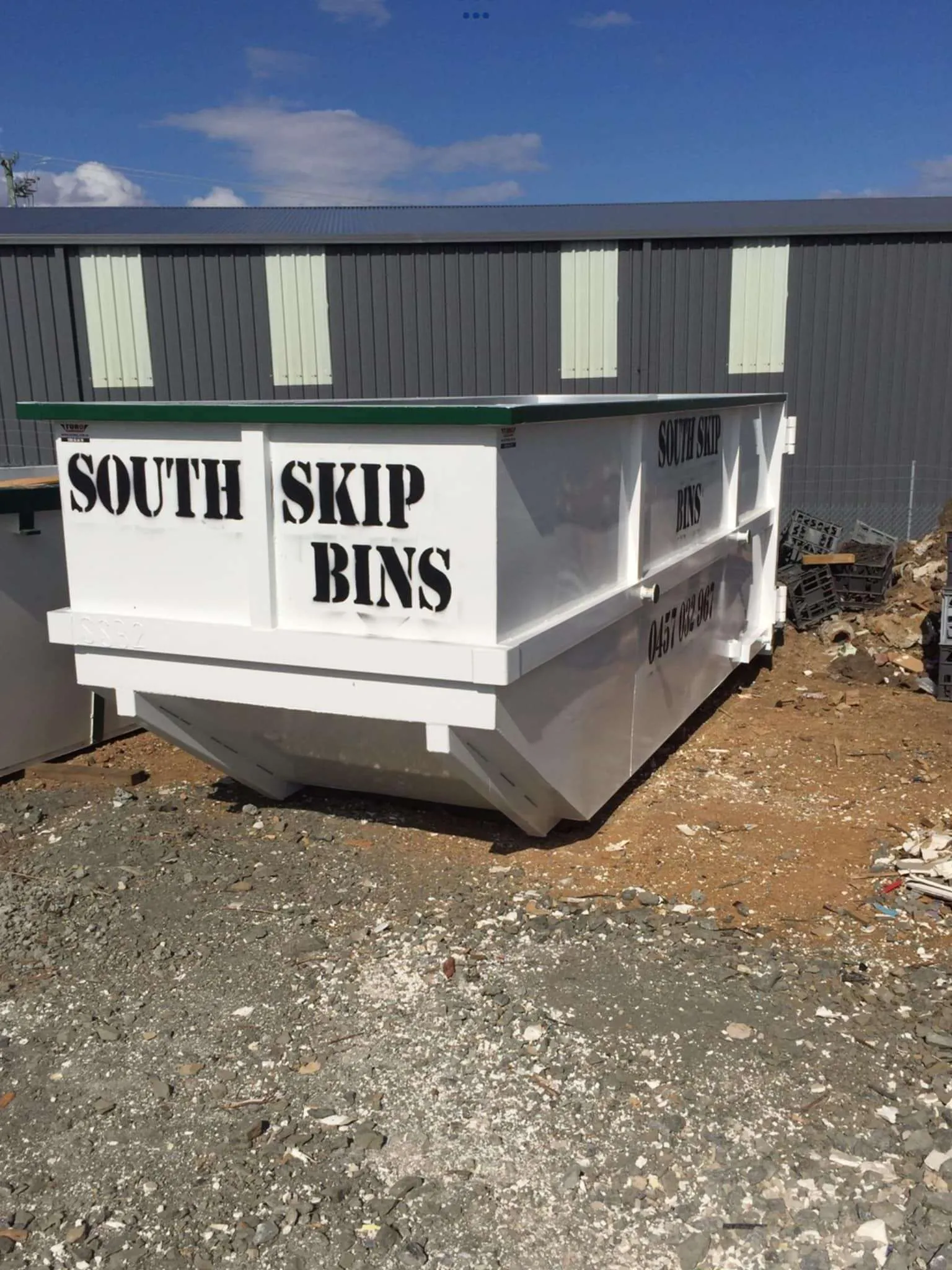
Choosing the right size and type of skip bin is the first step to using it safely. Overfilling a small bin leads to spillage and instability. Think about the volume and type of waste you'll produce, and ask your provider for advice. Our skip bin size guide can help.
2. Place it properly
Put your skip bin on a flat, stable surface so it can't shift or tip. Make sure it doesn't block pathways, driveways or roads, and that it's easy to reach for loading and collection.
3. Know what you can throw
Not everything can go in a skip bin. Hazardous materials such as chemicals, asbestos, gas bottles and flammable materials are not allowed. Place e-waste on top so it can be recycled. See our FAQs for the full list.
4. Load evenly
Load the skip evenly to keep it stable. Start with flat, heavy items at the bottom and lighter, bulkier items on top. Avoid piling heavy objects on one side.
5. Don't overfill
Overfilling isn't just unsafe, it's illegal to transport. Waste must sit level with the rim. An overfilled bin can drop debris during transport, putting pedestrians, motorists and our drivers at risk.
6. Take care when loading
Wear sturdy gloves and solid footwear to protect yourself from sharp objects. For heavy items, get help or use equipment to avoid injury.
7. Secure the bin if needed
In windy spots or on slopes, which are common around Hobart, ask us about the best placement so the bin can't move. A trailer bin with a lockable lid is also a good option.
8. Clear access for collection
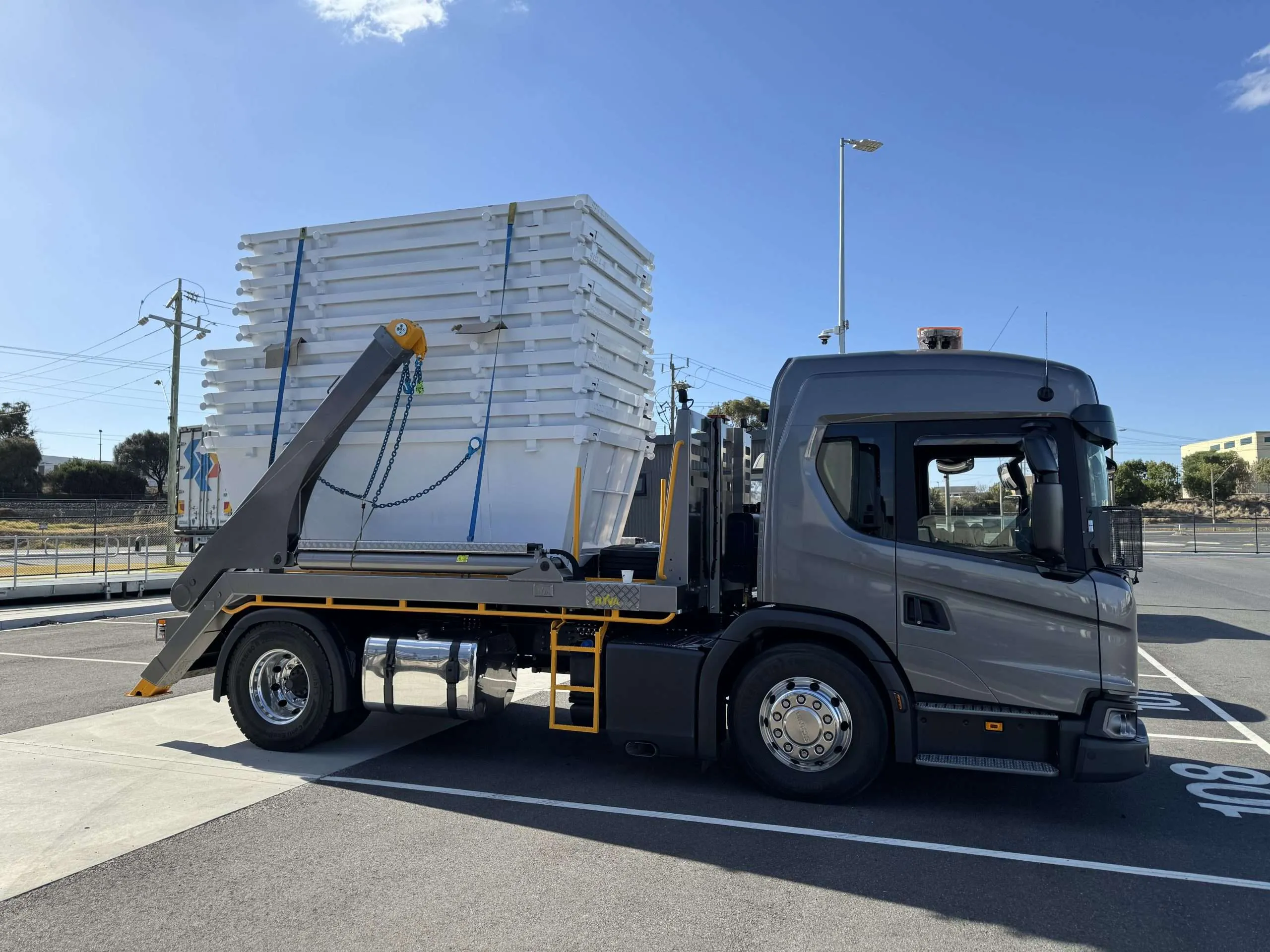
Make sure the truck can reach the bin on pick up day. Move cars, bins and anything else that could get in the way.
Conclusion
Skip bins are a fantastic tool for managing waste, as long as they're used safely. Follow these tips, work with your provider and you'll keep your project clean, safe and on track. Need a bin? See our sizes and prices or call 0457 032 967.